







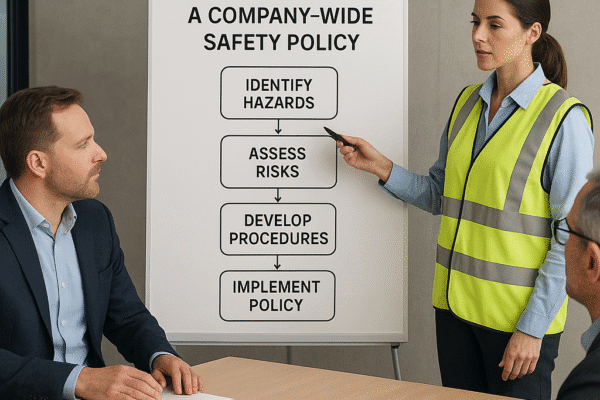

How to Protect Your Business from Ransomware Attacks
A well-prepared organization can turn a potential disaster into a manageable incident. Ransomware attacks are not only about data being encrypted; they challenge the very continuity of operations, stakeholder trust and financial stability. A comprehensive defense strategy goes beyond installing an antivirus solution—it requires a blend of technical safeguards, informed personnel and tested procedures. This article explores critical steps businesses can take to shield themselves from this escalating threat. Understanding…
How to Implement Secure File Sharing Practices
Implementing secure file sharing practices is essential for preserving data integrity and protecting sensitive information from unauthorized access. Organizations must adopt a multi-layered strategy that incorporates robust technical solutions, clear policies, and ongoing employee training. This article explores key components of a comprehensive approach to secure file sharing, highlighting critical considerations and actionable steps. Encryption and Secure Transmission Strong encryption forms the foundation of any secure file sharing system. By…

Why Employee Awareness Is the First Line of Defense
Employee awareness forms a critical layer in any robust security strategy. By empowering staff with the right knowledge and skills, organizations can transform every team member into a vigilant defender. When people recognize potential risks, understand their role in mitigation, and feel empowered to act, the entire enterprise stands stronger against cyberattacks, social engineering, and insider threats. Understanding the Modern Threat Landscape Business ecosystems face an ever-expanding array of challenges,…
How to Protect Company Devices from Malware
Protecting company devices from evolving digital threats requires a proactive and layered approach. An organization’s productivity, reputation, and financial stability hinge on robust defenses against malicious software. By understanding attack vectors, implementing rigorous safeguards, and preparing swift recovery protocols, businesses can significantly mitigate risks and ensure operational continuity. Identifying Emerging Malware Threats and Vulnerabilities Cybercriminals continuously refine their tactics, exploiting both technical weaknesses and human error. Effective protection begins with…

How to Handle a Data Breach: Step-by-Step Guide
Handling a data breach effectively requires a structured, strategic approach that minimizes damage, preserves trust, and ensures future resilience. This guide outlines clear, actionable steps to help organizations navigate each phase of a security incident and emerge stronger. Assessment and Immediate Actions Identify and Contain The first priority is rapid containment of unauthorized access. Assemble your incident response team and follow these critical tasks: Isolate affected systems to prevent further…

How to Secure Cloud-Based Company Data
The rapid adoption of cloud technologies has revolutionized the way companies store, manage, and analyze their data. While the benefits of agility and scalability are undeniable, they accompany a spectrum of evolving threats that demand a proactive approach to security. This article delves into essential strategies for safeguarding sensitive information in a cloud-based environment, helping businesses build a foundation of trust, resilience, and regulatory compliance. Implementing Robust Access Controls Effective…
The Importance of Regular Penetration Testing
Regular penetration testing has become an essential component of any robust business security strategy. By simulating real-world cyber attacks, organizations can proactively identify and address hidden weaknesses before they turn into costly breaches. This article delves into the critical aspects of ongoing penetration testing, exploring its practical advantages, strategic implementation, and collaborative approaches to safeguard sensitive assets. Understanding Penetration Testing Penetration testing, often called “pentesting,” involves authorized attempts to exploit…

How to Build a Security-First Company Culture
Building a robust, security-first culture requires far more than purchasing the latest tools. It demands a holistic approach that weaves protection into every business process, decision, and relationship. Organizations that succeed invest in leadership, clear policies, engaging training programs, and continuous monitoring. This article explores actionable strategies to foster a workplace where every employee embraces security as a core value. Leadership Commitment and Organizational Alignment A sustainable security culture begins…

Top 10 Security Mistakes Companies Make
As businesses expand their digital footprint, security shortcomings can expose critical assets to exploitation. This article explores the Top 10 security mistakes companies make, grouped into three main areas: Technical Oversights, Human-Related Vulnerabilities, and Strategic and Management Failures. Understanding these pitfalls is crucial for building a robust defense and protecting sensitive data against increasingly sophisticated threats. Technical Oversights 1. Failure to Update and Patch Systems Outdated software remains one of…

How to Manage Security in Hybrid Work Models
Hybrid work arrangements have become a strategic imperative for many organizations, blending on-premises and remote operations to drive productivity and agility. However, this dynamic environment also introduces complex security challenges. Adopting a holistic approach to protect assets, data, and personnel across distributed settings is critical. This article explores practical strategies to strengthen defenses, optimize policy enforcement, and cultivate resilience in a hybrid workforce. Assessing the Threat Landscape in Hybrid Work…